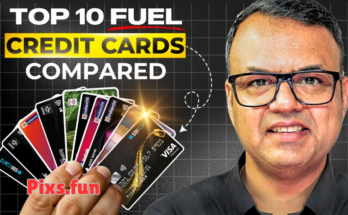
Premium credit cards occupy the top tier of the Indian credit card market — cards issued to customers meeting high income and credit score thresholds, or by invitation only. Annual fees range from nil on a handful of entry-premium cards to well over ₹1 lakh on the most exclusive ones. The pitch is simple: unlimited lounge access, concierge services, golf privileges, luxury hotel memberships, and accelerated rewards that can be worth lakhs of rupees a year — if you actually use them.
That “if” matters more than the marketing suggests. This guide covers the top premium cards available in India in 2026, what they actually cost, and a straightforward way to figure out whether one is worth it for you.
What Separates a Premium Card from a Regular One
- High annual fees — typically ₹5,000 to over ₹1,00,000, though several genuinely justify the cost through benefits alone.
- Strict eligibility — most require an annual income (salary or ITR) starting around ₹18 lakh, rising to ₹60 lakh or more for the most exclusive cards, plus a credit score of 750 or above.
- Invite-only tiers — several of the very top cards aren’t available by open application at all; you’re invited based on your existing relationship and spending with the bank.
- Milestone-based fee waivers — many premium cards waive the renewal fee if you cross a minimum annual spend, effectively making the card “free” for genuinely high spenders.
Top Premium Credit Cards in India (2026)
| Card | Annual Fee | Best Known For |
|---|---|---|
| HDFC Bank Infinia Metal Edition | ₹12,500 + GST | Widely regarded as the category benchmark — unlimited lounge access, top-tier reward rate |
| HDFC Bank Diners Club Black Metal | High-tier fee | Strong alternative to Infinia at a slightly lower cost |
| Axis Bank Magnus | High-tier fee | Best base-rate earning, extensive lounge network, EDGE Miles transfers |
| ICICI Bank Emeralde Private Metal | Invite-only | Priority Pass, strong travel and shopping benefits |
| IDFC FIRST Private Credit Card | Invite-only | Ultra-premium lifestyle and travel privileges |
| HSBC Taj Credit Card | ₹1,10,000 + Taxes | Deep integration with Taj hotels — free nights, InnerCircle Platinum membership |
| IndusInd Bank Pinnacle World / Avios Visa Infinite | High-tier fee | Metal card with international travel focus |
| American Express Platinum Charge / Centurion (Black) | Invite-only, very high | Global status symbol, most exclusive tier in India |
| IDFC FIRST Wealth | Nil | Entry-premium, lifetime free with lounge access and golf privileges |
| AU Small Finance Bank LIT | Nil | Entry-premium, lifetime free with customizable rewards |
1. HDFC Bank Infinia Metal Edition
Consistently ranked as the strongest all-round premium card in India. It carries a fee of ₹12,500 plus GST but backs it with unlimited airport lounge access, one of the highest reward rates in the market, and a metal card body that signals its tier. For high spenders who travel often, it’s frequently cited as the category benchmark against which other premium cards are measured.
2. HDFC Bank Diners Club Black Metal
A close alternative to Infinia at a somewhat lower cost, offering a similar mix of lounge access, golf privileges, and accelerated rewards — a good option for those who want most of the Infinia experience without quite the same fee.
3. Axis Bank Magnus
Known for strong base-rate earning across all spend categories (not just bonus categories), along with an extensive lounge network and EDGE Miles that transfer to airline and hotel loyalty programs — a strong pick for spenders who want flexibility over narrowly-defined bonus categories.
4. ICICI Bank Emeralde Private Metal
An invite-only card offering Priority Pass membership for global lounge access, along with strong travel and shopping benefits — suited to high spenders already in a strong relationship with ICICI Bank.
5. IDFC FIRST Private Credit Card
Another invite-only ultra-premium card, positioned for customers seeking the highest tier of lifestyle and travel privileges IDFC FIRST offers.
6. HSBC Taj Credit Card
A premium hotel co-branded card built for affluent travelers who specifically value luxury hospitality. At ₹1,10,000 plus taxes annually, it’s one of the priciest cards on this list, but the benefits are deep: a free night’s stay at a Taj Palace hotel, Taj InnerCircle Platinum membership with priority check-ins and a dedicated concierge, unlimited airport lounge access in India and abroad, and meaningful discounts on Taj properties. This card only makes sense if you genuinely stay at Taj hotels regularly.
7. IndusInd Bank Pinnacle World / Avios Visa Infinite
Metal cards aimed at frequent international travelers, offering a choice between different reward structures depending on whether cash-value rewards or airline miles (Avios) matter more to you.
8. American Express Platinum Charge Card / Centurion (Black) Card
The most exclusive tier available in India — invite-only, extremely high fees, and often described as a status symbol as much as a financial product. The Centurion Black card, made of anodized titanium, typically requires an existing Platinum charge card relationship before an invitation is even possible. These cards are built for ultra-high-net-worth individuals who fly business or first class frequently.
9. Entry-Premium, Lifetime-Free Options: IDFC FIRST Wealth and AU Bank LIT
Not every premium-feeling card charges a fee. IDFC FIRST Wealth and AU Small Finance Bank LIT both charge no joining or annual fee at all, yet still deliver global lounge access, golf privileges, and non-expiring reward points — a genuinely strong entry point if you want premium-tier perks without a premium-tier fee.
Is a Premium Card Actually Worth It? A Simple Test
Premium cards are only worth their fee if you’ll actually use what they offer. Before applying, list what you’d realistically use in the next 12 months and estimate its market value:
- Lounge visits you’d actually take (value each visit at ₹1,500–₹3,500)
- Hotel nights or upgrades you’d redeem
- Concierge services you’d genuinely call on
- Golf rounds you’d play
- The reward-point value of your typical annual spend
Rule of thumb: if the combined value of benefits you’d actually use is at least three times the annual fee, the card earns its keep. If it’s less than that, a mid-tier travel or cashback card will likely outperform a premium card for you — the fee isn’t justified just because the benefits look impressive on paper.
Who Should (and Shouldn’t) Get a Premium Card
Makes sense if you:
- Travel frequently enough to use lounge access multiple times a quarter
- Have an annual spend high enough to hit milestone fee waivers
- Value concierge, golf, or luxury hotel perks you’ll genuinely use
- Meet the income and credit score eligibility comfortably, without stretching
Skip it if you:
- Travel only occasionally and would rarely use lounge or concierge benefits
- Are still building your credit history — premium cards aren’t a starting point
- Would be paying the fee mainly for the “status” rather than usage
- Can get equivalent value from a mid-tier or lifetime-free travel card for your actual spending pattern
Final Thoughts
Premium credit cards can deliver extraordinary value — genuinely worth lakhs of rupees a year in lounge access, hotel stays, and travel benefits — but only for the spender profile they’re built for. Before chasing the most prestigious card on the list, run the honest math on what you’d actually use. For frequent travelers and high spenders, a card like HDFC Infinia or Axis Magnus can pay for itself many times over. For everyone else, an entry-premium lifetime-free card like IDFC FIRST Wealth or a well-matched mid-tier travel card will usually deliver better real-world value than a high-fee card sitting mostly unused.